
Which POD Products Benefit Most from Professional Mockups
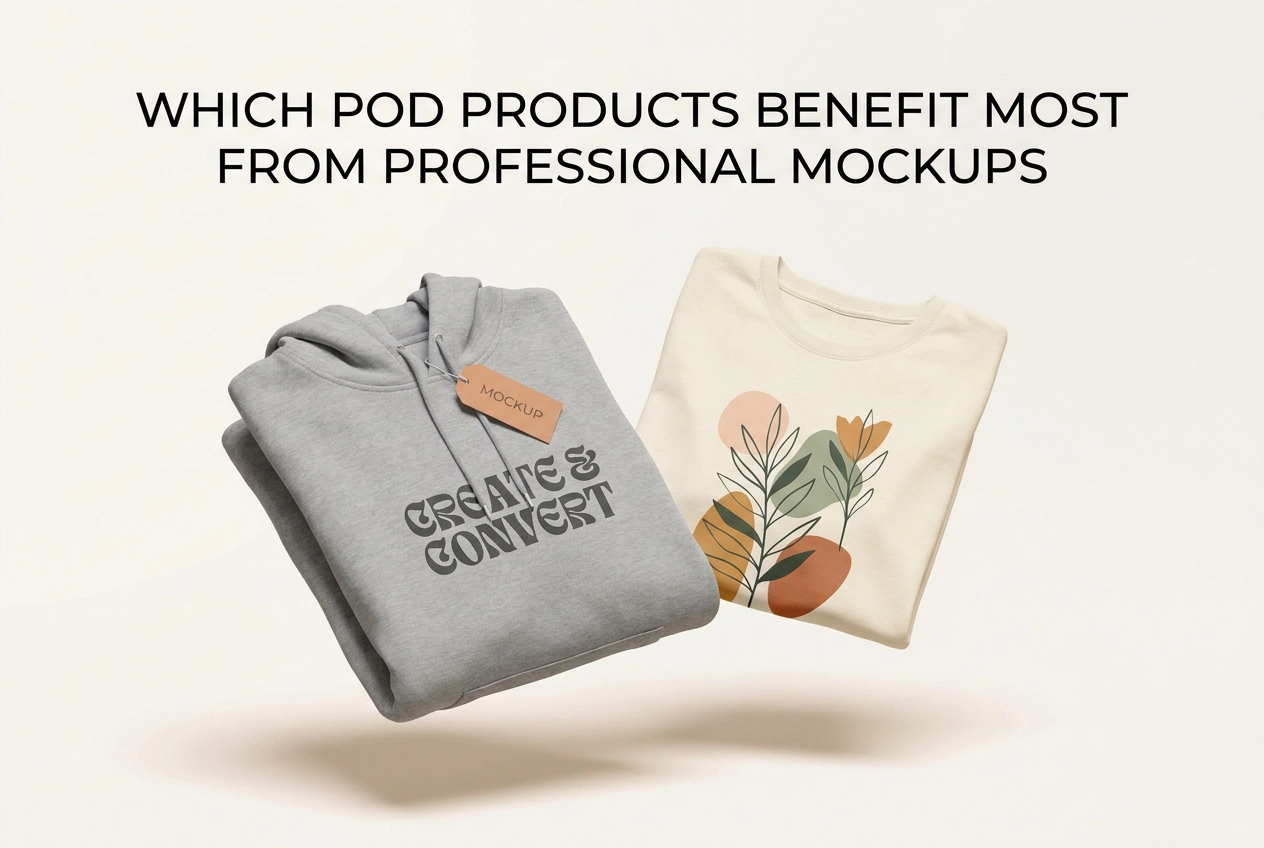
Not every product image pulls equal weight in your store. If you have spent any time working with print on demand companies, you already know that visuals drive purchasing decisions, but what most sellers overlook is that the conversion lift from upgrading your mockups varies significantly depending on what you are selling. A premium lifestyle photo of a hoodie and a flat product shot of a throw pillow do not carry the same commercial weight, and treating all your mockup investments as equivalent is a reliable way to leave money on the table.
This post cuts through the general advice and gives you a practical hierarchy. Working through apparel, wall art, mugs, accessories, and home decor, you will see which POD product categories respond most strongly to visual quality improvements on Canadian marketplaces and which ones deliver modest returns no matter how polished the image. You will also get a simple prioritisation framework to help you decide where to direct your time and budget first. If your goal is maximum return on your mockup investment, the ranking that follows is where to start.
Why Visual Quality Does Not Lift All POD Products Equally
Not every product listing responds to a mockup upgrade the same way, and for sellers running a print on demand business on a limited budget, that distinction matters.
Three factors determine how much a better image can shift a buyer's decision. The first is price point: it stands to reason that a shopper evaluating a higher-priced hoodie applies more scrutiny than one browsing a low-cost sticker. Higher stakes mean more hesitation, and a confident, professional image has more room to do its job. The second is gifting intent: buyers choosing something for someone else are acutely sensitive to how the product looks as a gift, not just as an object. The third is personalisation depth: the more a buyer needs to imagine the item in their own life, whether on their body, on their wall, or in their home, the more a lifestyle mockup closes the gap between curiosity and a completed purchase.
Thumbnail behaviour adds another layer. On Etsy and Shopify, the lead image carries the entire first impression before a shopper reads a single word. In high-browse-volume categories, that thumbnail is effectively the listing. Understanding how an AI mockup generator turns a design file into a professional product image in seconds is a practical starting point for any seller rethinking their visual strategy.
In saturated categories, a superior mockup is often the only visible difference between two listings at identical prices. The framework below ranks POD product categories by exactly that leverage, so you can invest your effort where the return is highest.
1. Apparel: The Highest Mockup ROI in the POD Category
Apparel sits at the top of this ranking for one clear reason: no other POD category is decided more quickly, or more visually, at the thumbnail stage.
When a shopper scrolls through search results on Etsy Canada, they form a near-instant first impression. That judgment is based almost entirely on the lead image. A flat lay or low-quality render gives buyers nothing to work with because the three questions every apparel shopper is silently asking, how will this fit, how will it drape, and how will the fabric feel, simply cannot be answered by a design file on a plain background.
The competition intensity compounds this. T-shirts, hoodies, and sweatshirts are widely regarded as among the most competitive search categories on Canadian print on demand platforms. A new seller has limited levers to pull: price is often matched by dozens of competitors, shipping times are constrained by the platform, and product quality cannot be conveyed until after purchase. A professional on-model mockup is frequently the only visible differentiator available at the point of decision.
The gap between a raw design file and a well-lit, on-body image is wider for apparel than for any other POD product type, which is precisely why the conversion lift from upgrading is also the largest.
Mocksy supports t-shirts, sweatshirts, hoodies, and tank tops across a wide range of garment styles and colourways, letting sellers generate polished on-model imagery in one click. Try it free, no complicated setup required.
2. Wall Art and Prints: Context Sells What a Flat Image Cannot
Wall art ranks second in mockup ROI, and the gap between a raw design file and a staged room shot explains why.
Unlike apparel, where the product wraps a body, wall art exists in relation to a space. A print on a white background tells a buyer almost nothing about how it will feel on their wall. Scale is ambiguous, framing context is absent, and the mood the piece might create is left to imagination. Place that same artwork in a styled living room or bedroom, and the buyer can see proportion, atmosphere, and quality at a glance.
A lifestyle mockup does that cognitive work for them, reducing the hesitation that kills conversions.
On Canadian marketplaces, wall art listings span a wide price range. A professional mockup signals curation and production quality, making it far easier to justify premium pricing. As detailed in this breakdown of why poor product visuals cost you sales on Etsy and Amazon, weak imagery actively undermines a seller's ability to command higher prices, regardless of actual quality.
Search thumbnails make upgrading urgent. A flat artwork file blends into the grid; a staged interior mockup stops the scroll and immediately communicates a finished, ready-to-hang product. The visual difference in this category is substantial, placing wall art just behind apparel in mockup ROI priority.
3. Mugs and Drinkware: Solid Lift, Especially for Gifting Searches
As with apparel, the degree of scrutiny a buyer brings scales with price, and mugs sit at a lower rung.
Drinkware has a strong reputation among POD sellers as a go-to gift category, and gift-intent buyers behave differently from general shoppers. When someone searches "personalised birthday mug" or "funny Mother's Day gift," they are evaluating presentation as much as the design itself. A mockup showing a mug cradled in warm hands against a cosy kitchen background communicates warmth and giftability in a way a bare white-background render simply cannot.
That said, the conversion lift from upgrading mug mockups is real but bounded. The product's lower price point means visual quality has less distance to travel in closing the sale, which caps how much a mockup upgrade alone can shift your numbers.
The strongest case for investing in mug imagery is seasonal. Sellers can expect sharper thumbnail competition during major gift-giving holidays. When every competitor is listing a similar product, a warmer, more polished mockup becomes a genuine differentiator precisely when buyer intent is highest.
Outside those peak windows, mug mockup ROI is solid but not urgent. The product's simple, familiar shape means buyers already understand what they are getting. Invest here after your apparel and wall art imagery is strong, concentrating your best mockup effort on the seasonal gift windows where it will earn the most return.
4. Accessories: Lower Lift, But Still Worth Getting Right
The price-point principle established earlier caps the ROI window for accessories more sharply than any other category.
That said, the category is not uniform.
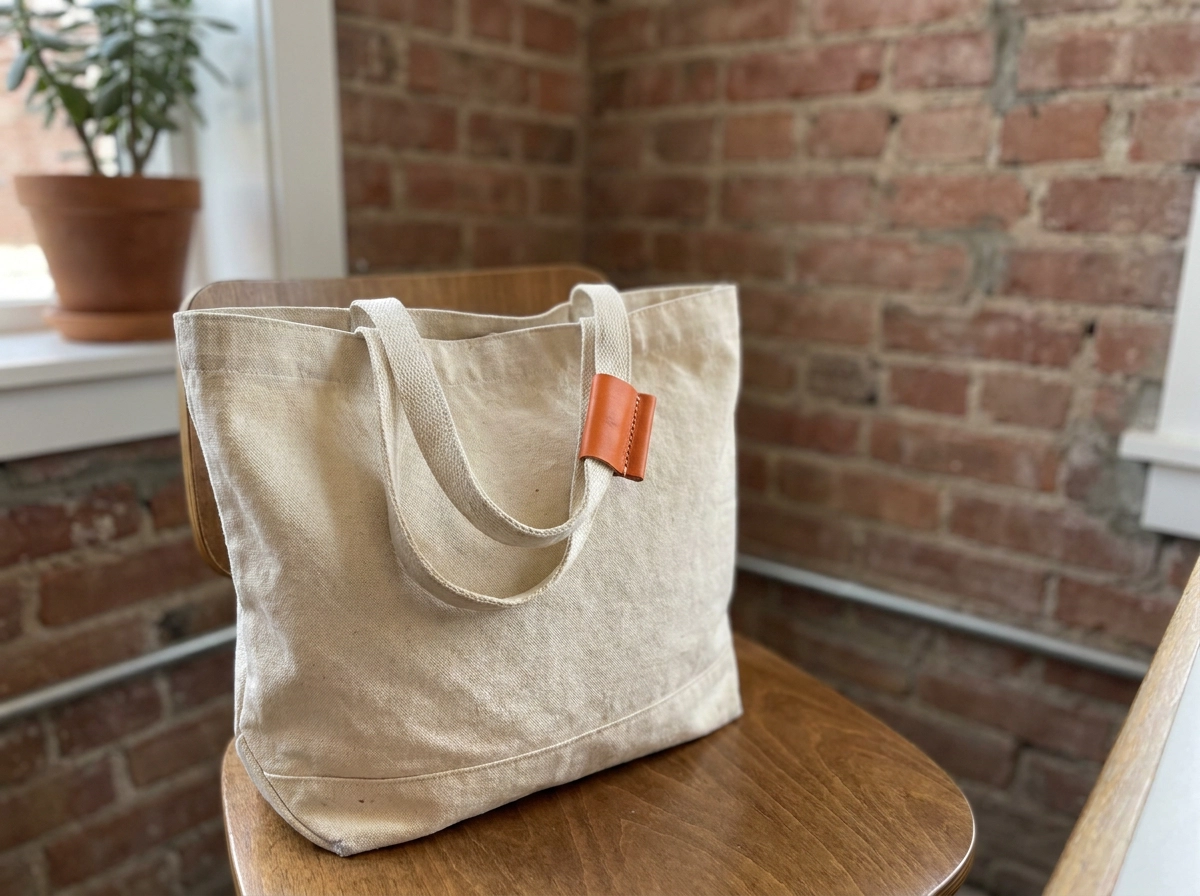
Tote bags are a genuine partial exception. They are carried in public, function as a style statement, and carry a lifestyle identity signal closer to apparel than to a phone case. A styled, on-person mockup outperforms a flat lay here in a way it simply does not for other accessories. If you are going to invest in mockup quality anywhere in an accessories catalogue, tote bags are the place.
Phone cases are primarily functional purchases. The buyer's decision hinges on the design itself, not on lifestyle context. A clean, accurate product render that shows the design clearly is typically sufficient. A premium mockup is unlikely to move the needle meaningfully beyond that.
Stickers are impulse buys. Shoppers are evaluating the artwork, full stop. The mockup is largely incidental to the conversion decision, making this the lowest mockup-ROI product in the entire POD catalogue.
For sellers working with lean production budgets and building out a wide accessories range, the practical guidance is simple: keep accessory imagery clean and functional, and redirect mockup production effort toward higher-ticket categories where visual quality directly influences buyer confidence.
5. Home Decor Beyond Prints: Situational but Not a Priority
Home decor sits at the bottom of the priority stack for a reason, and it is worth understanding why before allocating any mockup budget here.
Items like cushion covers, blankets, and candles are context-dependent purchases. A blanket styled over a couch in a warm, well-lit room will outperform a flat product image every time. The visual lift is real. The problem is that in most Canadian sellers' catalogues, home decor typically represents a smaller share of listings and attracts narrower search demand than apparel or wall art. The opportunity is simply narrower.
There is also a cost structure issue. Achieving believable results for home decor requires more elaborate staging: realistic room environments, appropriate lighting, and carefully composed scenes. That production complexity is expensive relative to the return, especially when you compare it to apparel, where one strong mockup template can be reused across dozens of designs.
This is the broader lesson this category teaches: mockup ROI is not purely about visual impact. It is also about how many designs a single template can serve. A scalable mockup workflow, the kind that generates polished imagery across a high volume of products quickly, delivers compounding returns in categories like apparel. In home decor, that scalability simply does not exist to the same degree.
Sellers building a print on demand business that includes home decor products should treat mockup investment here as deferred, not unnecessary. Get your apparel and wall art libraries in strong shape first, then return to home decor when the higher-priority categories are already working.
The Canadian Marketplace Lens: Where Visual Standards Actually Sit

Category hierarchy tells you what to prioritise. The Canadian marketplace context tells you how urgently that priority applies to your specific selling environment.
Etsy's search algorithm is understood to factor in listing engagement, meaning a stronger thumbnail that earns more clicks can contribute to improved organic placement over time, while Etsy does not publish full details of its ranking weights. Better imagery pays twice: once at the sale, and again through sustained visibility.
Shopify storefronts shift the calculus differently. Canadian sellers who self-host gain full control over image presentation, but that control comes with elevated buyer expectations. A branded storefront signals seriousness, so shoppers arrive with a higher visual baseline than they would on a marketplace where they naturally extend some generosity to independent sellers. The bar is genuinely higher.
Canadian buyers are also shaped by years of polished direct-to-consumer imagery from established retailers. That familiarity creates a trust gap for sellers whose product photos look unfinished, particularly for items above a certain price threshold, where buyers naturally apply more scrutiny before committing.
The competitive opportunity is still real. Sellers who audit Etsy Canada apparel search results will typically find that many lower-ranked listings still rely on flat design files or basic renders. A professional mockup remains a genuine differentiator in most niches, not simply expected practice.
Finally, print on demand platforms vary in the default mockup quality they generate. Knowing where your platform's output sits relative to category standards, and whether a Pro upgrade is an urgent gap or a marginal refinement, shapes how you allocate effort across your catalogue.
A Simple Prioritisation Rule for Your Mockup Investment
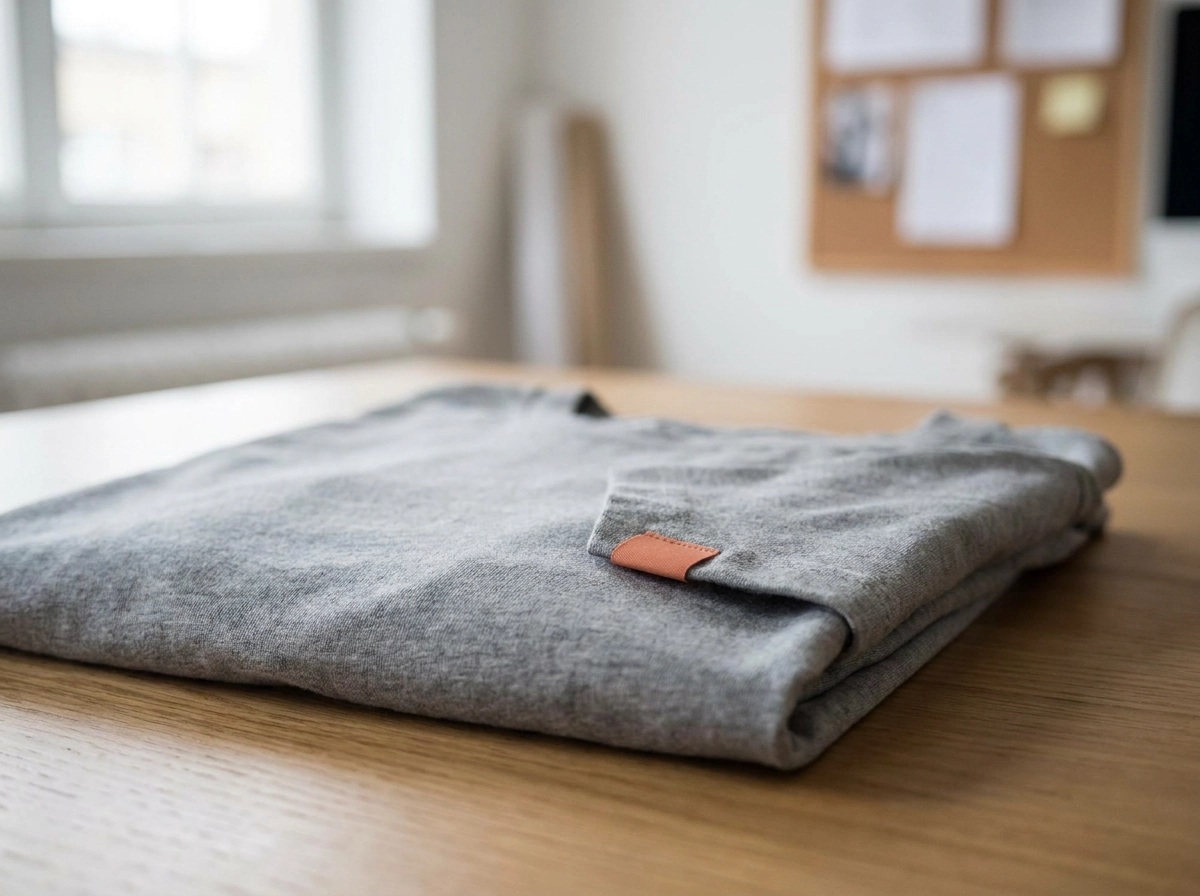
Knowing where your visual standards sit is one thing; knowing where to spend first is another. Here is the order that makes practical sense.
Start with apparel. It carries the highest price points, faces the densest competition, and has the largest gap between a flat design file and a finished, on-body image. For most Canadian POD sellers, this category alone justifies the majority of your mockup effort. Everything else comes after.
Move to wall art and prints second. If your catalogue includes framed or gallery-style pieces, room-context mockups directly support premium pricing. Buyers are making a decorating decision, and a staged interior image closes the sale in a way a bare artwork file cannot.
Address mugs and drinkware third. The lift is real, but concentrate your effort around seasonal gift windows, specifically the periods when thumbnail competition peaks and shoppers are already in a high-intent, gift-evaluation mindset. Outside those windows, a clean product render is sufficient.
Accessories and home decor can wait. Functional, accurate imagery is enough until your higher-priority categories are well covered. This is especially true for sellers working with lean production budgets, where every hour of mockup work needs to earn its keep. When those foundations are in place, the Conclusion below offers a practical next step.
Conclusion: Invest Your Mockup Effort Where It Moves the Needle Most
The ranking laid out above, apparel, wall art, mugs, then accessories and home decor, gives you a spending sequence, not just a reading list.
For Canadian sellers on Etsy or Shopify, the clearest competitive opportunity sits at the top of that hierarchy. A professional on-model mockup remains the most accessible differentiator available at the point of decision, and apparel is where that differentiator does the most work.
If you are ready to make that upgrade, Mocksy generates professional on-model mockups for t-shirts, sweatshirts, hoodies, and tank tops in a single click, across a wide range of garment styles and colourways, so you can build a polished, consistent image library without a complicated workflow or a photography budget.
The best way to see the difference is to try it on your own listings. Try it free, no complicated setup required, and test the quality against what you are currently publishing before committing to anything.
Smarter mockup investment is not about spending more overall. It is about spending first on the products where better imagery has the greatest measurable chance of moving your numbers. Start at the top of the hierarchy, build from there, and let the results guide the rest of your effort.