
Why Your T-Shirt Mockup Fails to Show Fit and Scale
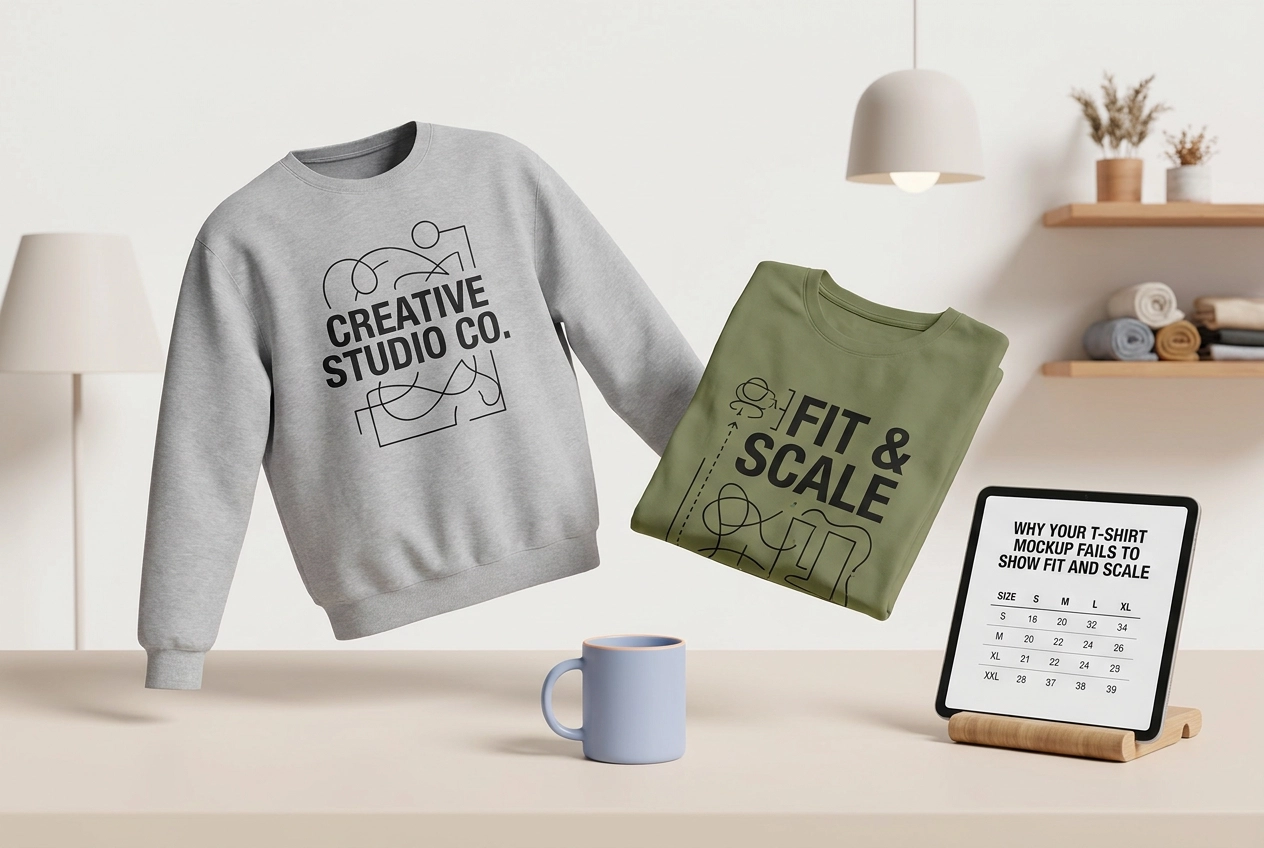
You have probably seen it before: a perfectly good t-shirt mockup that still leaves buyers hesitating. The design is sharp, the colors look right, but something is missing. Without clear sizing cues, shoppers cannot judge how a shirt will actually fit, and that doubt often stops the click. For print-on-demand sellers, especially those with apparel-heavy catalogs, that pause matters.
A strong t-shirt mockup does more than display artwork. It answers fit and scale questions before they turn into returns. In this tutorial, you will explore why sizing doubt stalls the sale, then work through three practical cues: human context, fabric drape, and objects of known size. You will also learn how to present those cues as one cohesive gallery, spot mockup habits that quietly break the sense of scale, and answer the fit question before a buyer has to ask.
Tools like Mocksy make this easier by generating multiple professional product mockups in one click. Mocksy supports t-shirts, sweatshirts, hoodies, and tank tops, with 11 garment models and 157 colors. You can try it free with 3 mockups, no registration required.
Why Sizing Doubt Stalls the Click
Every buyer of a printed tee or hoodie is running a silent comparison. They are holding the garment on screen against their own body, asking whether the sleeve will hit the right spot on the arm, whether the hem will land where they prefer, and how much room they will actually have inside it. A flat shot gives them nothing to anchor that comparison to.
Online selling removes every other channel for that answer. No shopper in a marketplace listing can touch the fabric, try the sleeve or hold the hem against themselves, so the t-shirt mockup carries the entire job of physical inspection. When it shows a garment suspended in blank space with no body and no reference point, the buyer has to guess, and guessing rarely ends in a purchase.
Sizing doubt also rarely announces itself. It almost never arrives as a message asking for measurements. It arrives as a bounce, a listing saved for later, or a decision quietly delayed until the same item ends up in someone else's cart. That is why weak product visuals cost marketplace sellers real revenue without ever showing up in an inbox, a pattern worth understanding if you want to diagnose why your store gets traffic but not sales.
Returns follow the same pattern. A buyer who cannot picture the fit is left guessing, and guesswork is where returns begin. The same visual failure modes quietly drain sales on Etsy and Amazon.
The fix is not more text. It is three cues used together: human context, drape and objects of known size, working to resolve the doubt before it becomes a question in the buyer's head.

Cue 1: Human Context, What a Worn Shot Says That a Flat One Cannot
A worn shot is the fastest answer to that unspoken question. It shows shoulder width, where the hem lands relative to the hip, sleeve length on a real arm, and how much room the body actually has inside the garment, all in a single glance.
One Design, More Than One Build
Showing the same design on a taller and a shorter model, or as a relaxed and a closer fit, gives buyers a frame of reference to match against their own body. For example, a hoodie shown on both a five-foot-six and a six-foot model lets a buyer find the frame that resembles them, rather than comparing themselves to an abstract standard.
Crop Discipline
Framing is a deliberate craft decision. Full-body framing answers questions about overall length and hem position, while three-quarter framing brings chest print placement closer. Each one hides something the other reveals, so the set should include both where possible.
Light and Silhouette
Lighting shapes what buyers read. Harsh overhead light flattens the body and makes a fitted tee look boxy. Soft, even light keeps the garment's shape readable and the print legible at thumbnail size, which matters in crowded listing grids where buyers see AI-generated mockups first.
Production Without a Photoshoot
For a small shop, testing multiple builds once meant booking models and studio time. A mockup generator changes that: Mocksy shows worn formats for t-shirts, sweatshirts, hoodies and tank tops across 11 garment models and 157 colours, so you can present several builds and let buyers find their match.
Cue 2: Drape, How Fabric Behaviour Signals Fit and Weight
Human context sets the frame; drape fills it with weight. Drape is the way fabric falls, folds and holds its shape once it sits on a body or a surface, and it is the fastest visual shortcut to how a garment will actually feel. Light jersey creases softly and moves; heavy fleece sits with structure and heft. Most buyers will read that difference as quality before they read your copy, which is exactly why a weak t-shirt mockup undermines an otherwise strong listing.
The giveaway is easy to spot: a design floating on a perfectly smooth, perfectly rigid surface, with no folds, no compression at the seams and no suggestion that gravity exists. Fabric that looks like paper tells a buyer nothing about weight.
A better approach is to let folds do the work in three places. Across the chest, where the print sits, soft creasing proves the fabric follows a body rather than hovering above one. At the sleeve break, the fabric should gather and compress naturally. Along the hem, a gentle wave or shadow signals a garment with substance. These details make a rendered (or photographed) piece read as something a body has worn.
Match drape to garment type for credibility. A hoodie should hang heavier than a tank top, and a common approach is to adjust the visual weight so each garment behaves the way its fabric would. Every image in the same mockup for t shirt and hoodie listings should agree about how the fabric falls, because a gallery that contradicts itself on weight invites the sizing doubt you are working to remove.
Cue 3: Objects of Known Size, Hands, Cards and Rulers Without Clutter
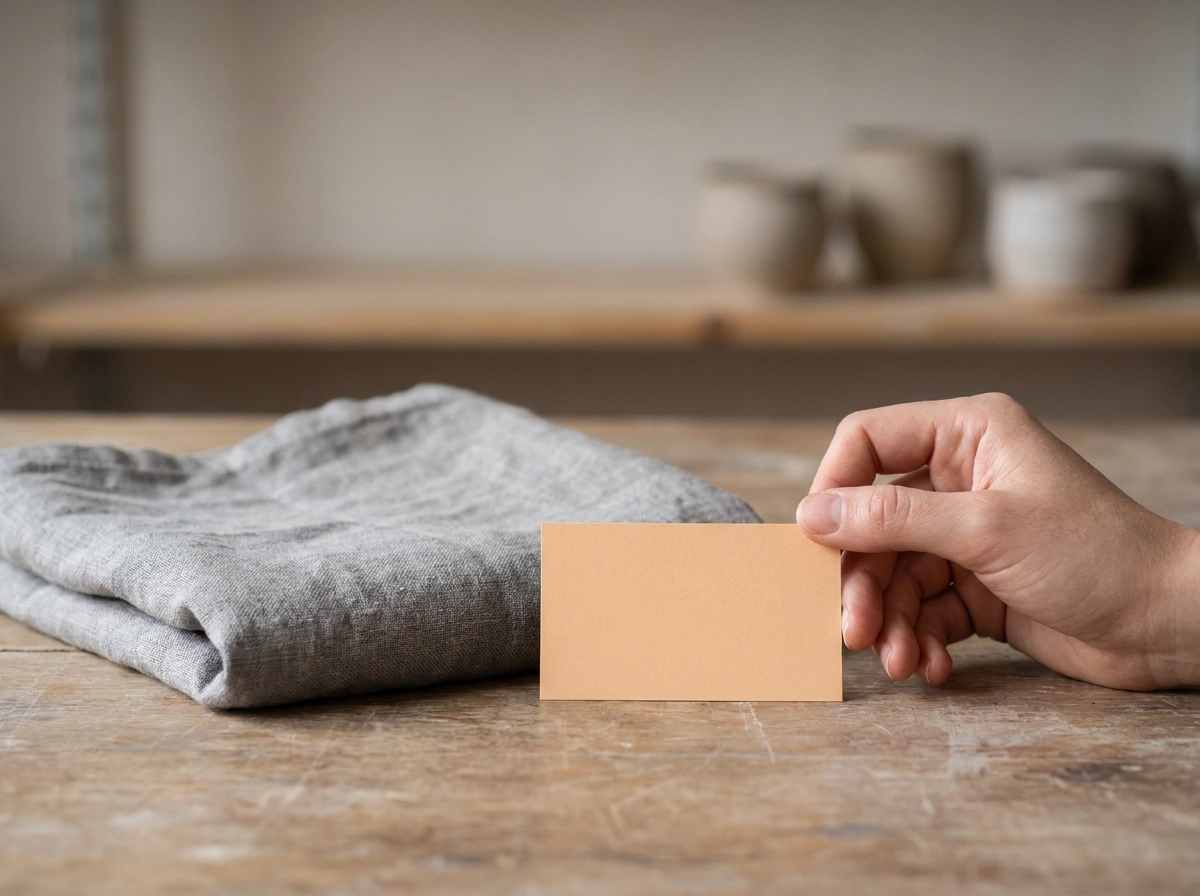
Drape tells a buyer how fabric behaves. The next question is simpler and more stubborn: how big is this thing, really? A familiar object answers it faster than a tape measure ever could, because the eye reads a hand or a folded card as an instant mental ruler rather than a number it has to imagine. That instant read is why object choice matters so much.
Place one object per composition, set off to one side, never overlapping the print, and at the same depth as the garment so perspective does not distort the comparison. Match the object to the question. A hand in frame suits a small detail such as a cuff print or logo. A folded card or standard sheet better communicates the overall size of a hoodie or sweatshirt.
Some props backfire. In my experience, anything with a variable real-world size, like a coffee cup or a coin, introduces doubt instead of removing it, and a cluttered surface makes the garment read smaller than it is. Keep the frame clean.
Consistency turns a single cue into a language. Repeating the same scale reference across every mockup for t shirt designs lets buyers compare two listings without relearning the comparison. A structured apparel mockup checklist for Canadian POD clothing sellers can help keep that reference consistent across a catalogue.
Putting the Set Together: Presenting Scale Cues as One Gallery
Once you've settled on a consistent scale reference, the final craft decision is sequencing your cues into a single gallery that answers the buyer's questions in order. A practical approach is to lead with a worn shot for human context, follow with a movement or drape image, place the known-size reference third, and close with a clean flat shot for print detail.
Keep that pattern repeatable. When every listing follows the same cue sequence, repeat buyers learn exactly where to look, and your shop reads as consistent rather than improvised. A deliberate approach to which POD products benefit most from professional mockups can help you decide where to invest that consistency first.
Pair every mockup with real numbers. The image frames the question of scale; the size chart and garment measurements in your copy answer it precisely. If a hoodie mockup shows the hem landing mid-thigh, the stated body length should agree. Contradictions erode trust in both.
Then check how cues survive a thumbnail. Marketplace grids crop images hard, so position the scale reference close enough to the garment that it cannot be cut from the preview.
Testing multiple cue combinations can sound labour-intensive, but generating multiple professional mockups in one click makes it practical for a small t-shirt, hoodie, sweatshirt or tank top range to iterate instead of settling for one flat shot.
Mockup Habits That Quietly Break the Sense of Scale
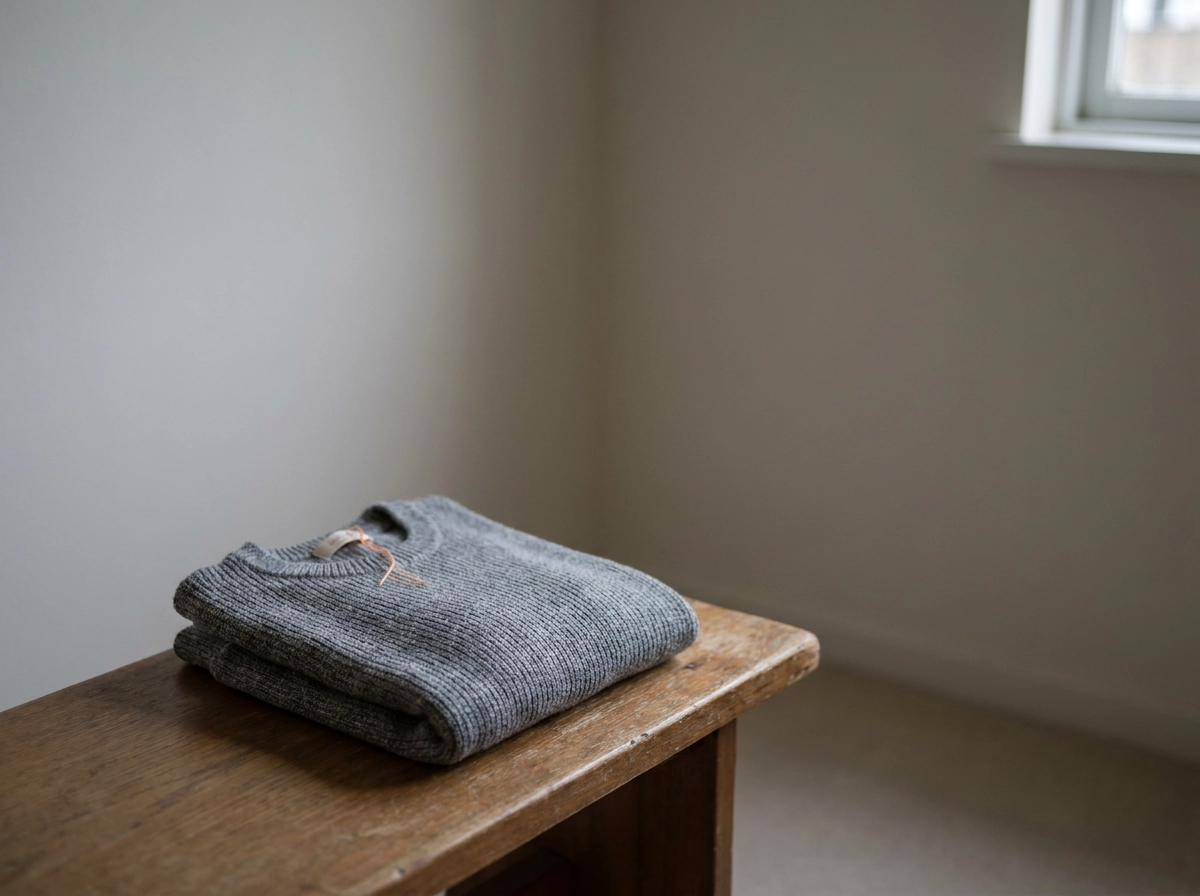
Even a well-ordered gallery can unravel if individual frames repeat a few quiet mistakes. The most common is the hyper-wide shot: the garment sits in a corner of the frame, and every possible size reference disappears with it. Buyers cannot judge scale against empty space. Mixing scale references between listings undoes the consistency Cue 3 builds, and over-retouching smooths fabric back into the paper look Cue 2 warned against.
Another mistake is assuming buyers are only judging the print area. The questions they hold are about length, room and weight. If your mockup never addresses those, the design may impress but the fit remains unknown.
Finally, using a single angle or a single model build across an entire catalogue leaves buyers with a design they like and no way to picture it on themselves. Variety in body type and framing is not decoration; it is the comparison frame. For a sense of which mockup formats actually convert on different marketplaces, see this guide to mockup types that sell on Etsy and Amazon.
Answer the Question Before It Is Asked
The cue sequence you built above only works if each frame is honest, so once those habits are out of the way, the fix is less about adding more images than about answering the buyer's sizing question in the right order. Fit and scale are not extras you add after the design. They are the questions a t-shirt mockup exists to answer.
Start with an audit of one current listing. Ask whether a stranger could estimate the garment's length, weight and sleeve position from the gallery alone. If any of those three is a guess, the gallery is doing design work but not fit work. Rebuild it in the worn, drape and known-size sequence from earlier, with the measurements and size chart in your copy telling the same story as the frames.
Ready to put the sequence to work? Mocksy generates professional mockups for t-shirts, sweatshirts, hoodies and tank tops in one click. See how it works and try it free with 3 mockups, no registration required.
Conclusion
Fit is answered by context, not design. A worn shot gives scale a human reference, drape reveals fabric weight, and a known-size object removes the last bit of guesswork. Present them in that order, keep the sequence consistent across your shop, and back the visuals with real measurements and a clear size chart. Together, they stop buyers from stalling and help them decide.
Your next step is a quick audit of one listing, then a rebuild using that sequence. Mocksy makes this simple with one-click mockups for t-shirts, sweatshirts, hoodies and tank tops, offering 11 garment models and 157 colors. Try it free with 3 mockups, no registration required. Start that audit today and let your gallery answer the sizing question before it is asked.